Chapter 10: Abdul Jamid

Mr. T traveled to Rome to be able to check some accounts and be able to update them, he had to change from a previous account and travel to a newer one to be able to put the funds that they would give him for the projects, he had requested the new passwords and they were given them They sent by fax, they told him that once he had them, he would change them and that he did not keep them on his laptop, only in his mind, in case his laptop was stolen, they did not have access to their accounts.
Mr. T is on the way to his hotel with Dr. Jamid, who introduced him and they started talking about management dynamics, he is overwhelmed by all the information he sees about management dynamics. Mr. Tompkins was still not convinced about this to what he said. «The simulator calculates the aggregate, that’s what you’re saying. Big deal. Since the input to the simulator only specified my hunches anyway, how can the simulation prediction of their aggregate effect be better than my hunch over the added door? «
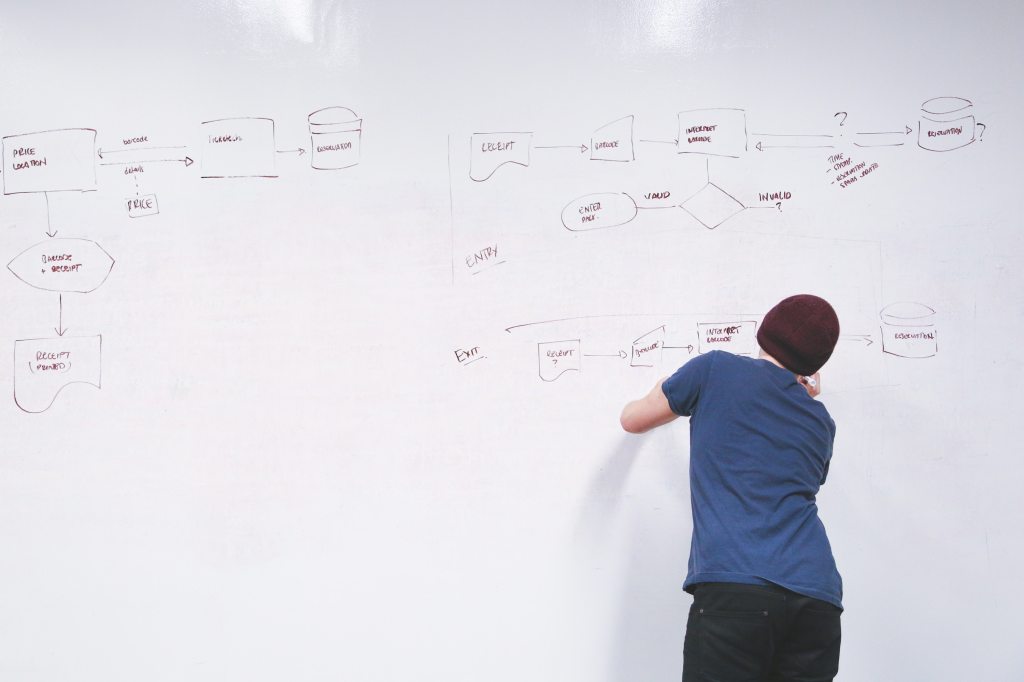
Dr. Jamid began drawing a model on the screen. Use a rectangular tank to represent your usable staff. The higher the level, the more people they will have. We will set its initial value up to one hundred. That is already a model, but it is not very dynamic, since there are no flows of people leaving the project or new hires. If we find the simulator, we find that the personal level remains constant throughout the time of a hundred.
The entire project is presented as an effort to move the work from one warehouse to another, as they explain the model. They started with the remaining work tank full and the full work tank empty. at the end of all experiments Dr. Jamid demonstrates why it is so important for managers to quantify the exact effects of decisions in numbers.
From the end of the chapter we have these important points for Modeling and Simulation: «Model your hunches about the processes t h a t get work done. Use the models in peer interaction t o communicate and refine thinking about how the process works. Use the models t o simulate results. Tune the models against actual results.»
 Project Evaluation and Management